
Subscribe and receive email notifications of new blog posts.
 RSS Feed
7
Buying Waterfront in Virginia's Northern Neck? Don't Get Caught in Shallow Water

For many homebuyers, the Northern Neck of Virginia feels like the perfect place to live a waterfront dream. Quiet coves, miles of shoreline, and a direct connection to the Chesapeake Bay make it a paradise for boaters and nature lovers.
But here's the reality: not all waterfront is created equal. A property with stunning views may look ideal from the porch, yet have water too shallow to dock a boat—or even launch one at low tide. If you're relocating from outside the region, that gap in local knowledge can work against you.
I'm Tom Smith, Associate Broker with River Bay Realty at Middle Bay Realty, and for more than 22 years I've helped buyers and sellers navigate the ins and outs of waterfront living. Here's what every serious buyer should know before signing on the dotted line.
What "Deep Water" Means for Buyers
When locals say a property has "deep water," they're talking about enough consistent depth—often at least 4 feet at mean low tide—to accommodate larger boats such as sailboats, cabin cruisers, and sport fishing vessels.
Without it, you may be limited to smaller skiffs, kayaks, or personal watercraft. That's fine for some, but a major disappointment if you were planning weekend cruises or bluewater trips.
Where to Find Reliable Depth in the Northern Neck
Some of the region's creeks and tributaries are known for their depth and navigability year-round. While every property should be individually verified, these areas have a strong reputation among boaters:
-
Carter's Creek – Irvington & White Stone area; deep, protected, and close to the Rappahannock River.
-
Indian Creek – Near Kilmarnock; calm waters and easy marina access.
-
Dymer Creek – A favorite for sailors, with sheltered anchorage.
-
Jackson Creek – Bordering Deltaville; dependable depth and boat-friendly marinas.
-
Cockrell's Creek – Reedville; historic harbor with working and private docks.
-
Great Wicomico River & Tipers Creek – Burgess area; great for fishing boats and cruisers.
Avoiding Costly Mistakes
If you're new to the area, it's easy to be wowed by a view and overlook practical boating needs. Before you commit to a property:
-
Talk to Local Watermen – They know where channels stay deep, where silting happens, and how tides behave in real life—not just on paper.
-
Study Navigation Charts – NOAA maps and local charts can reveal depths, hazards, and channel conditions.
-
See It from the Water – If possible, take a boat ride into the creek where you're considering buying. It's the fastest way to know if it's right for your vessel.
Three Expert Tips from My Years on the Water
-
Always check depth at mean low tide—high tide numbers can be misleading.
-
Ask if the creek has a history of dredging; regular sediment buildup can limit access over time.
-
Know your boat's draft before shopping for property—it's your key to finding the right fit.
Why Local Expertise Matters
Waterfront property is a specialized market. Understanding tides, currents, and access points can make or break your boating lifestyle. With my background in law enforcement, I approach every transaction with thorough research, attention to detail, and an unwavering commitment to protecting my clients' interests.
Whether you're looking for a weekend escape or a full-time waterfront home, I can guide you to properties where the water—and the lifestyle—truly work for you.
Thinking of Buying Waterfront in the Northern Neck?
Contact Tom Smith, Associate Broker
? (804)513-9179
? www.fredericksburgagent.com
Northern Neck Waterfront Listings
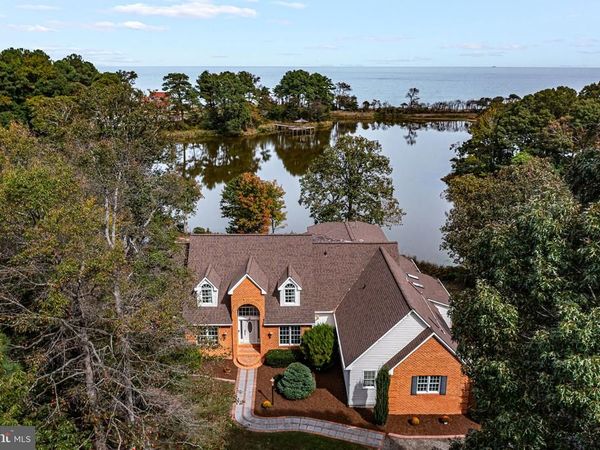

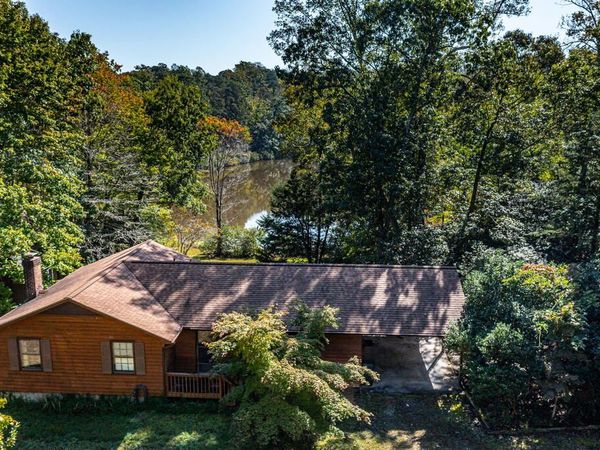
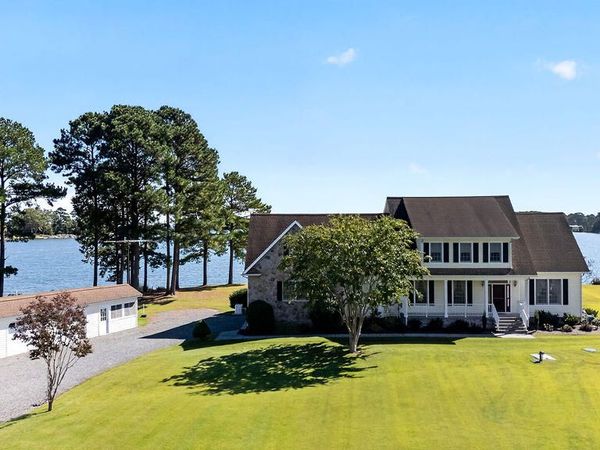
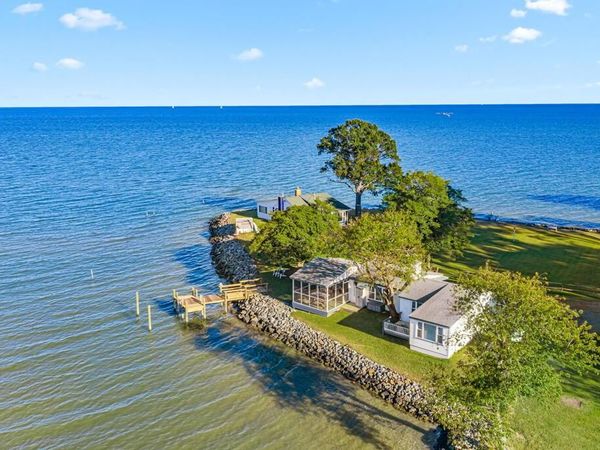
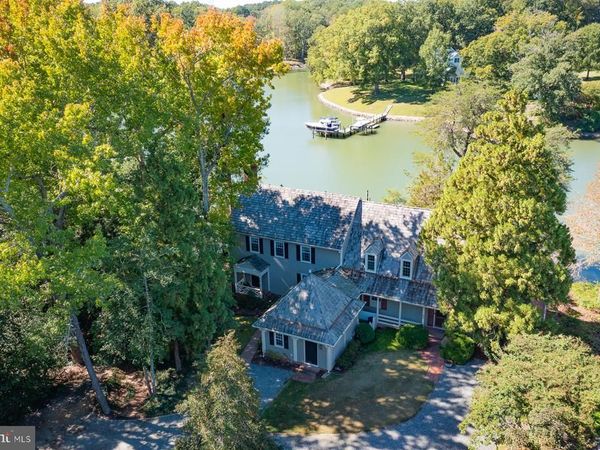
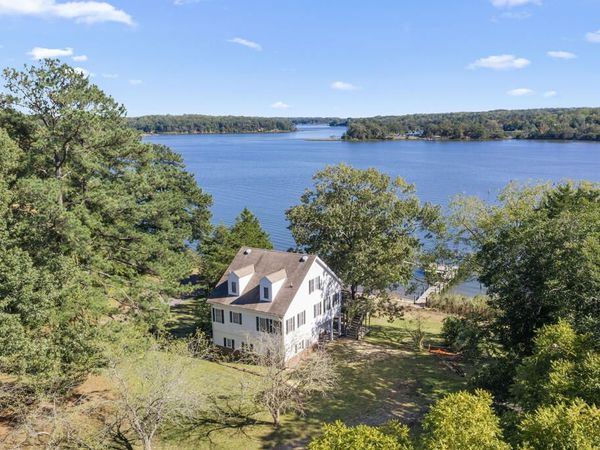
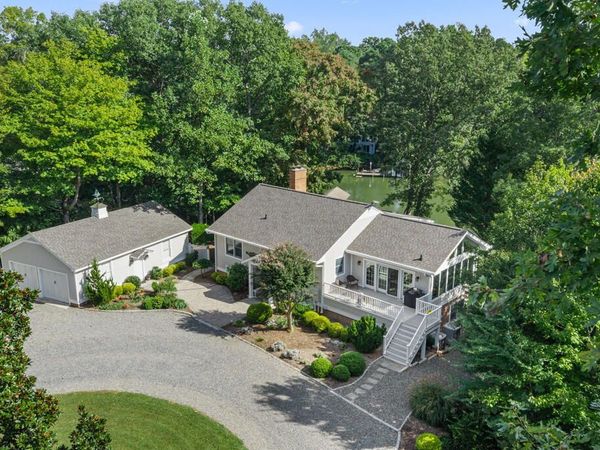

 Loading more properties...
Get Instant Alerts on New Listings
Be the first to know when properties that match your search hit the market.